Rift & Sync: the 2024 Student Game
What is Rift & Sync?
An experimental 2-player puzzle co-op game where a Voronoi split-screen acts as a unique game mechanic.
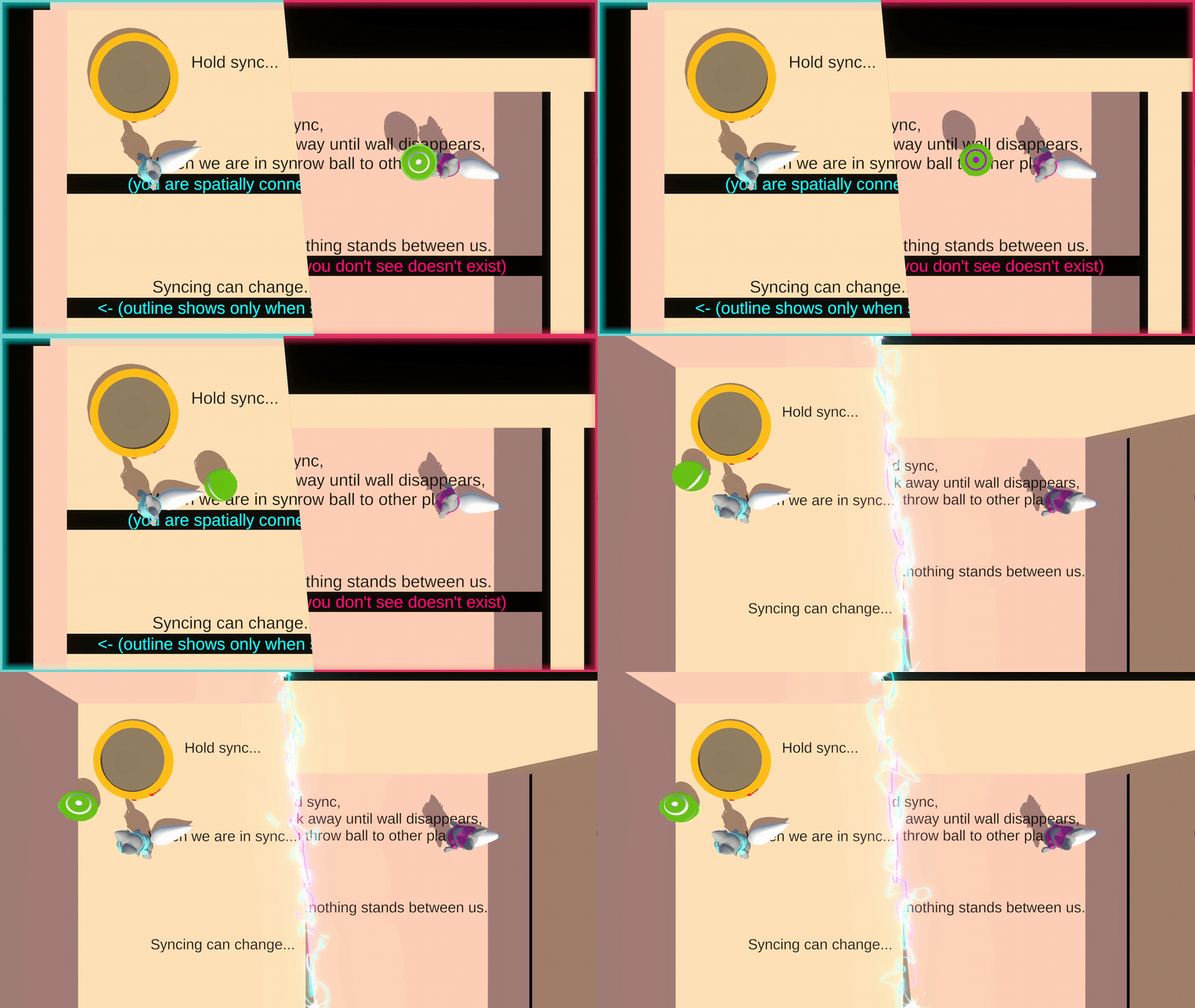
What's the story?
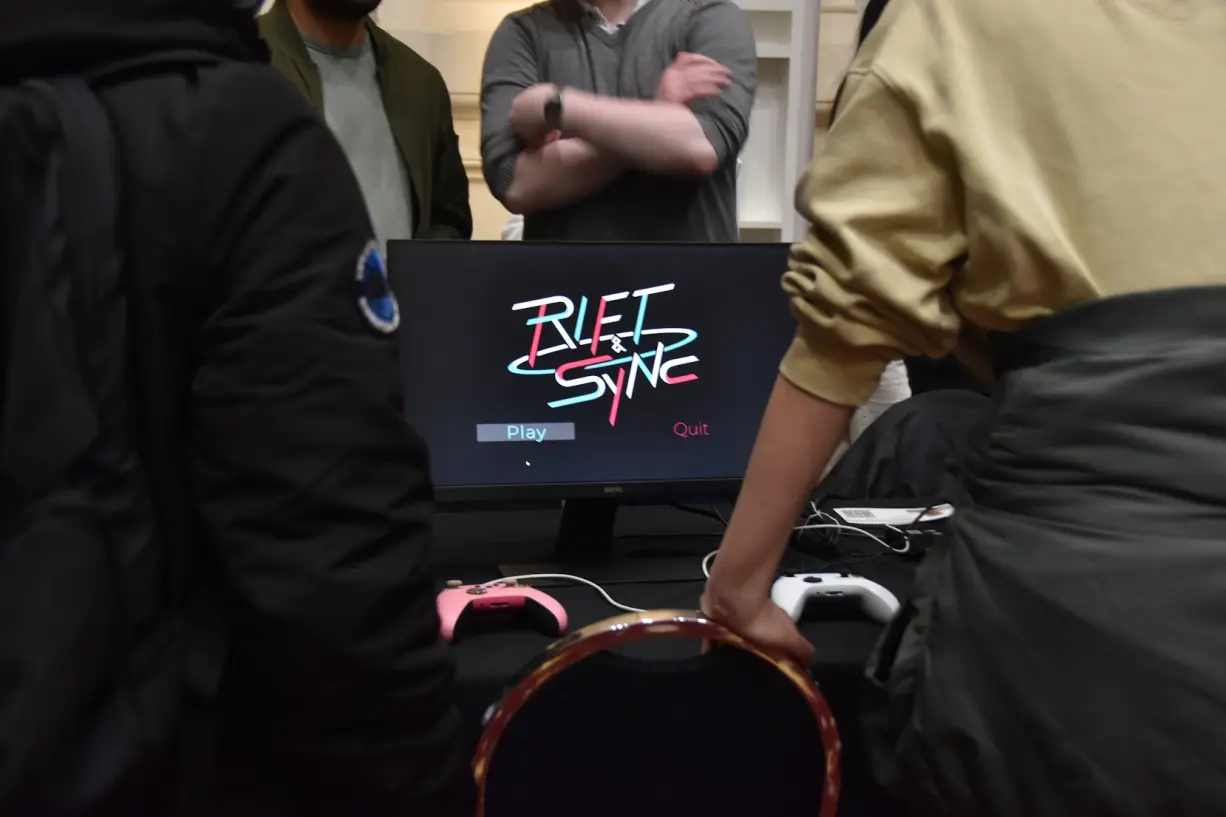
I needed to make a game for my university capstone project, and I wanted something with a unique mechanic that could stand out on its own. I also wanted to experiment and explore how camera play can be made into its own mechanic, if given the right design space and toolbox. ✒️
Where did the big idea come from?
In a past project, I have dabbled with the idea of dynamic camera perspectives. Finally having grown comfortable enough in Unity, I decided to put my rapid prototyping skills to the test and make a proof-of-concept. 🛠️
I wanna make something unique.
Like every game designer ever, it was very important to me that my idea had not been done before (which, to be fair, isn't asking for much, because I actually don't play that much in the first place 😅).
Inspirations
While the Voronoi mechanic itself is my original design, the collaborative puzzle gameplay is heavily influenced by Portals 2.
In a similar vein, I've been getting into some excellent co-ops like the We Were Here series or the cult-classic of 2021 It Takes Two1, hence the co-op genre.
Novelty mechanics
Coming up with the idea of an interactive rift was the equivalent of stumbling upon a goldmine to me. Toying with the concept of bridging space together, and heavily drawing inspirations from generic puzzle components like those found in Portal's lab environment, I put together some quick ideas. 💡
Throwing
Most obviously, objects can be thrown across the rift. This was the premise the game was founded on. 🤾
Lasers
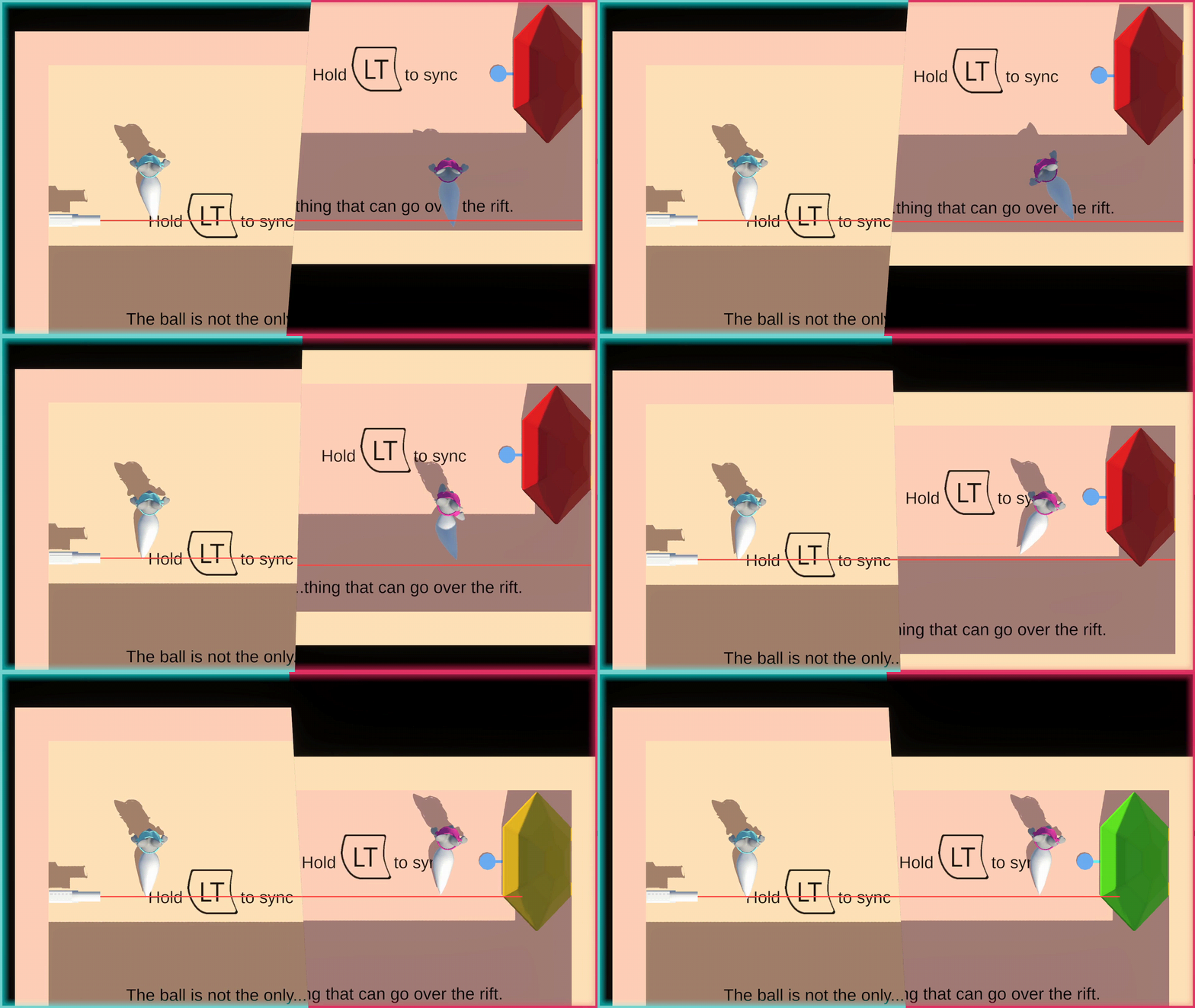
Insert Portal's lasers, which works surprisingly well with the dynamic screen partition, allowing us to leverage spatial layout for cool puzzle designs. 🪞
Distance-confined tether
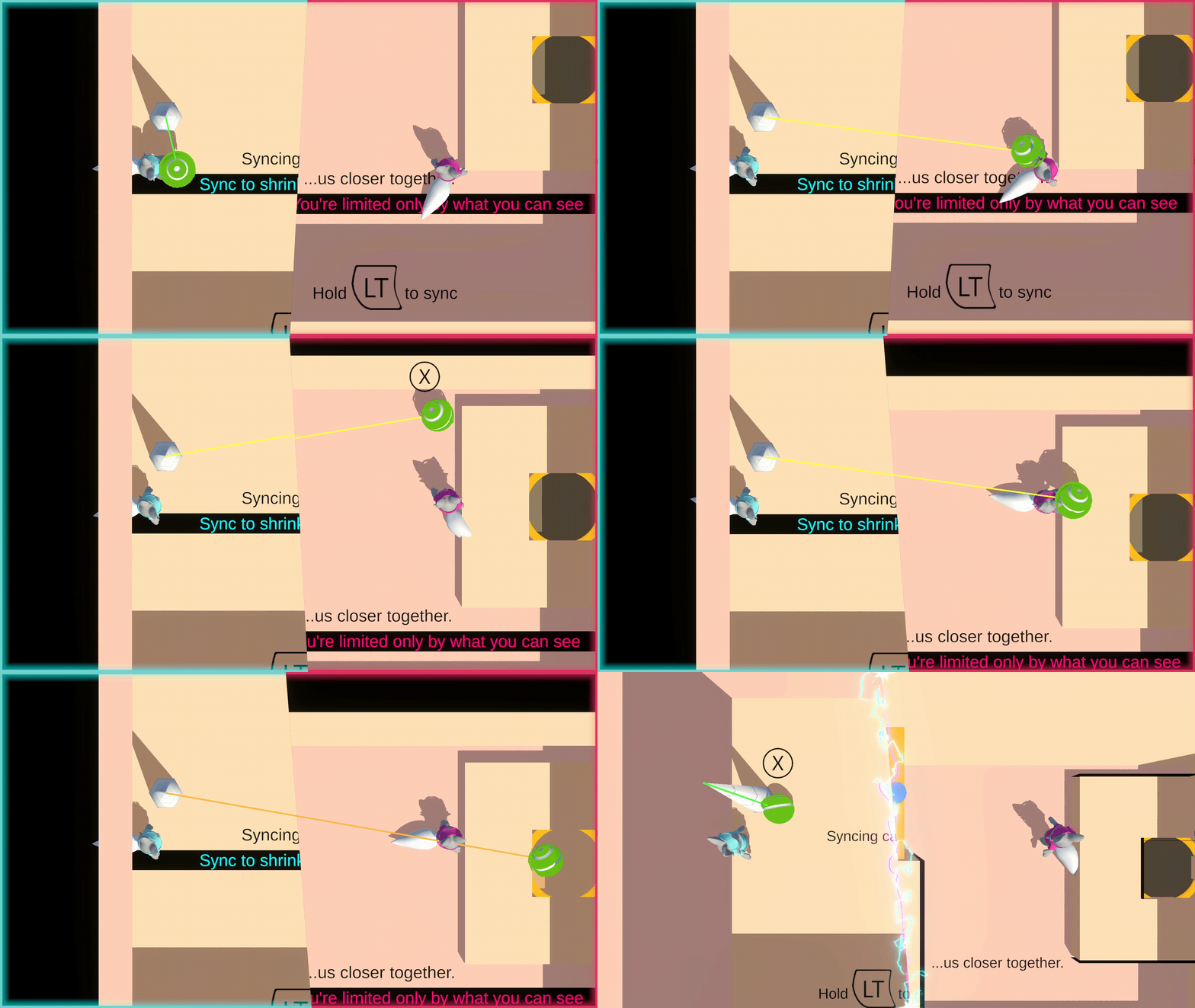
From a gameplay perspective, physical space is effectively collapsed around the 2 players, and only what can be seen from either screen at any given point should factor into play. This was the inspiration for the tether mechanic, where objects are tied to a string and constrained to an anchor. 🪢
Align-to-merge fragments
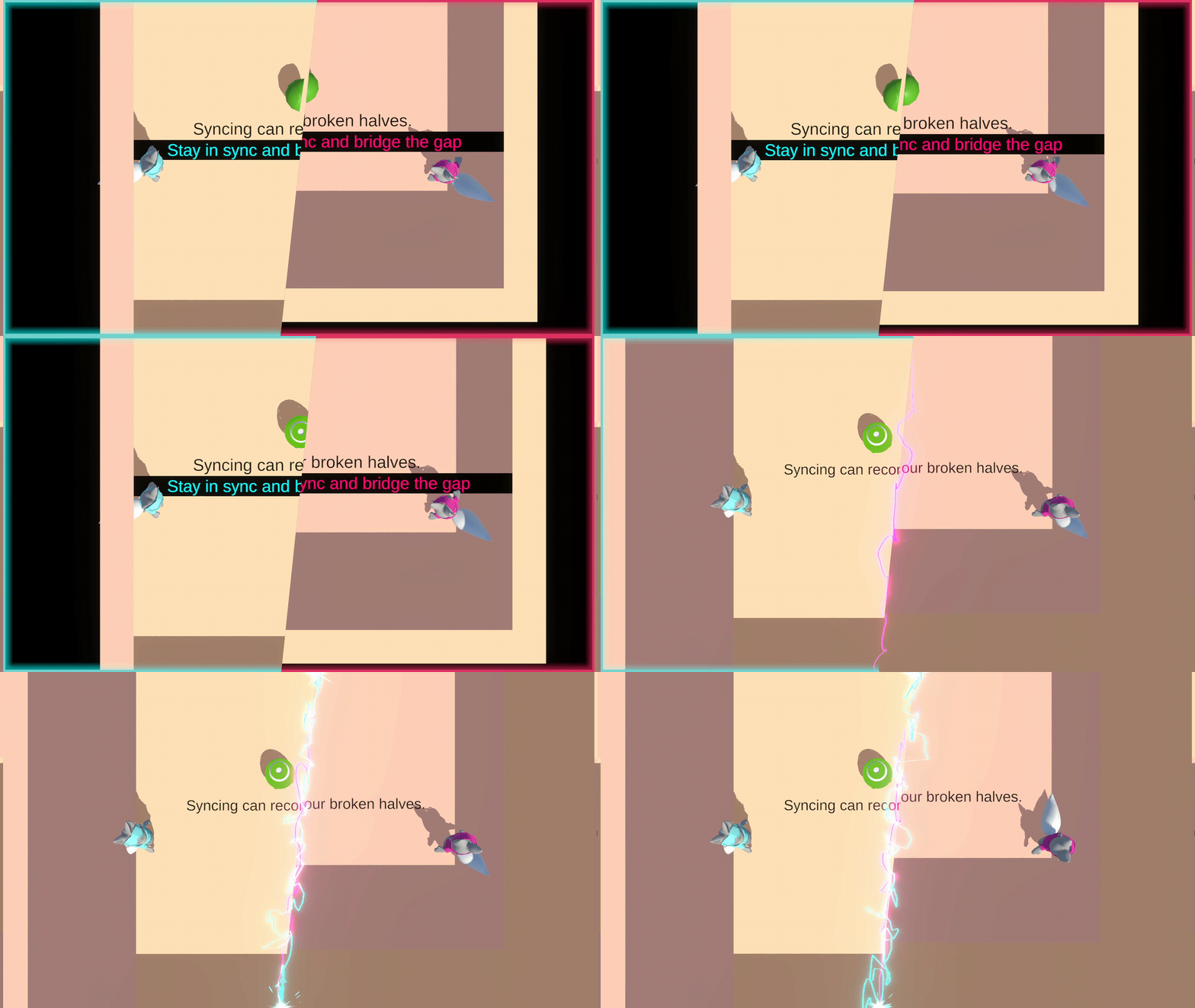
A bit simpler in execution, this mechanic is a natural extension of the premise and serves well as a mini coordination puzzle. Line up the pieces and watch the halves stitch together! 💔
Ghosting placement
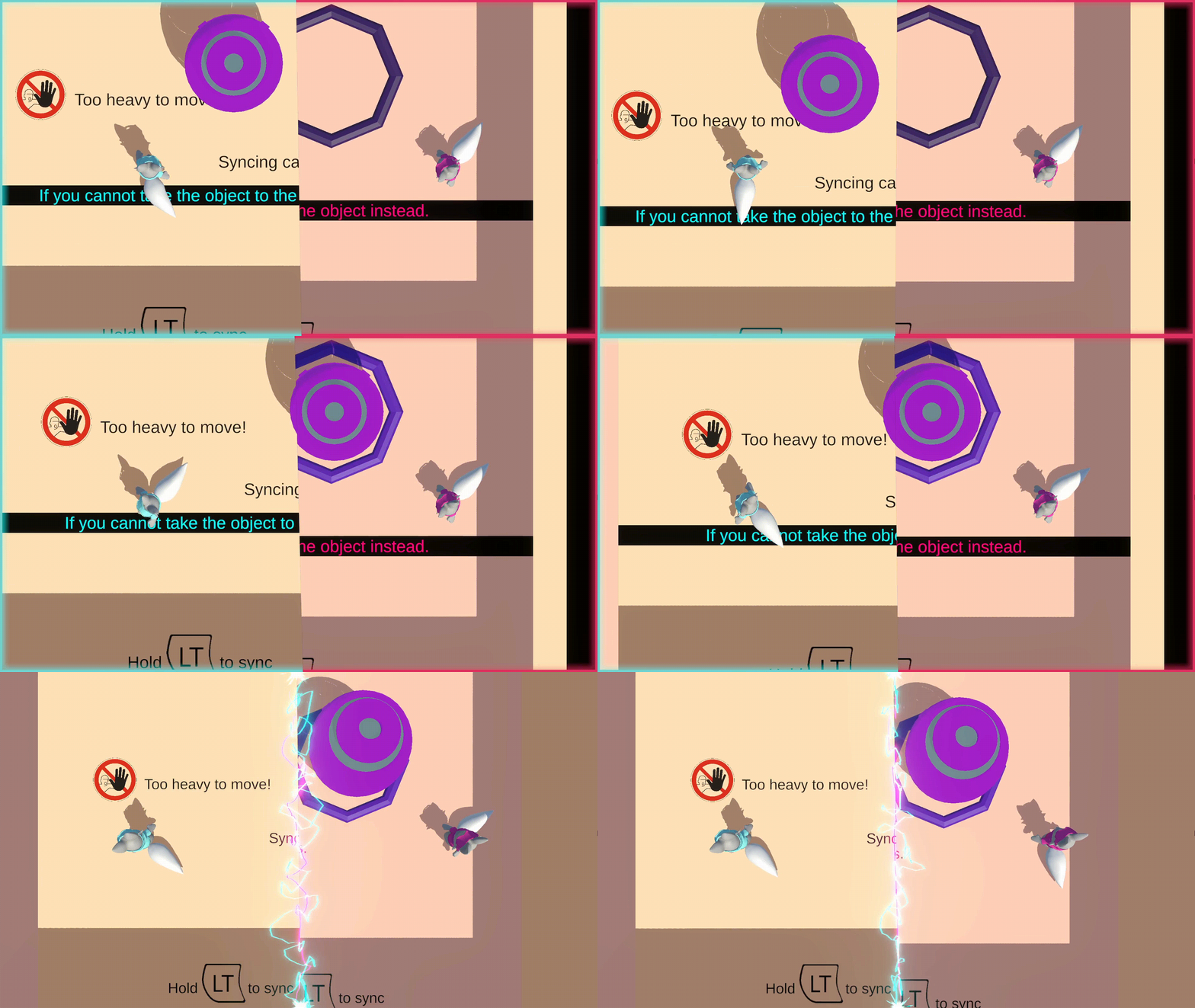
When you can't take the object to the rift, take the rift to the object! The last mechanic is all about player coordination; one player acts as an anchor for the ghosting object, while the other manipulates it into position.
Admittedly, this was a weaker mechanic. It was meant to be a more challenging version of the throwable objects, requiring more active coordination and manoeuvre from both players. However, the bulky size made designing puzzles difficult, as spatial constraints also had to be considered.
Playtests also showed a lack of comprehensive understanding of the rift's behavior makes the ghosting object's placement unpredictable.
Making waves in public
PAX Aus
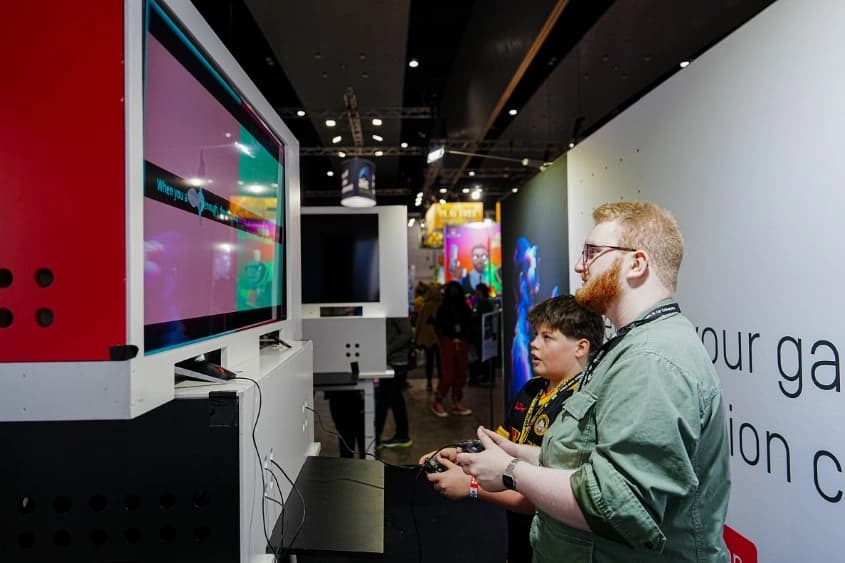
As a Swinburne capstone game, we get to showcase our hard work at PAX Aus 2024 for all three days of 11th - 13th October. We received so many positive feedback for the design, which I could honestly admit had been the highlight of my Games & Interactivity degree.
SAEGX
We were offered a chance to showcase our game in its semi-final stage at the 2024 Swinburne Animations, eSports & Gaming Expo, and we rolled with it! The event ran over the weekend of 14th - 15th September, and we got a lot of valuable playtests leading up to the ultimate showcase.
GamesPond
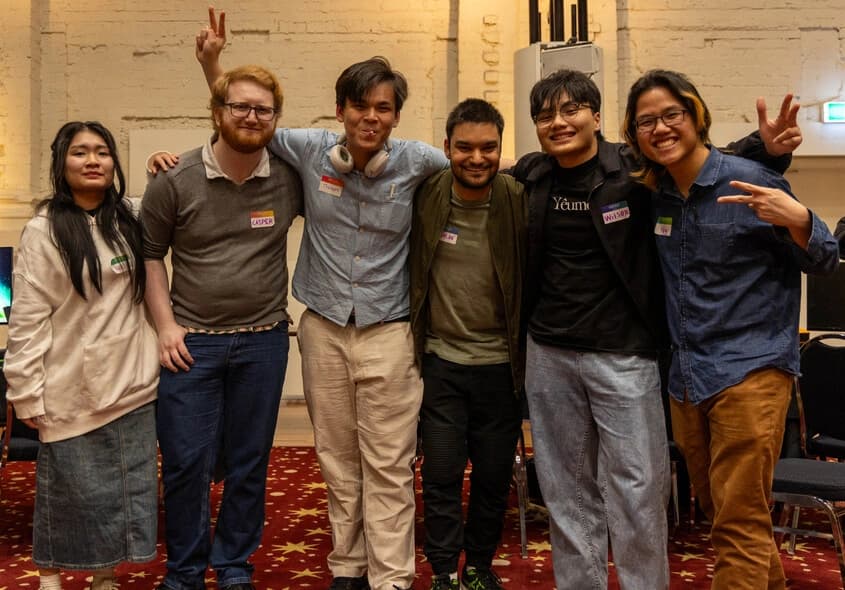
Running on 27th August, GamesPond2 was the first time we showcased the game to a gamers-predominant demographic, and it was here that we gathered the most insights on how to further improve the player experience.
Swinburne Open Day
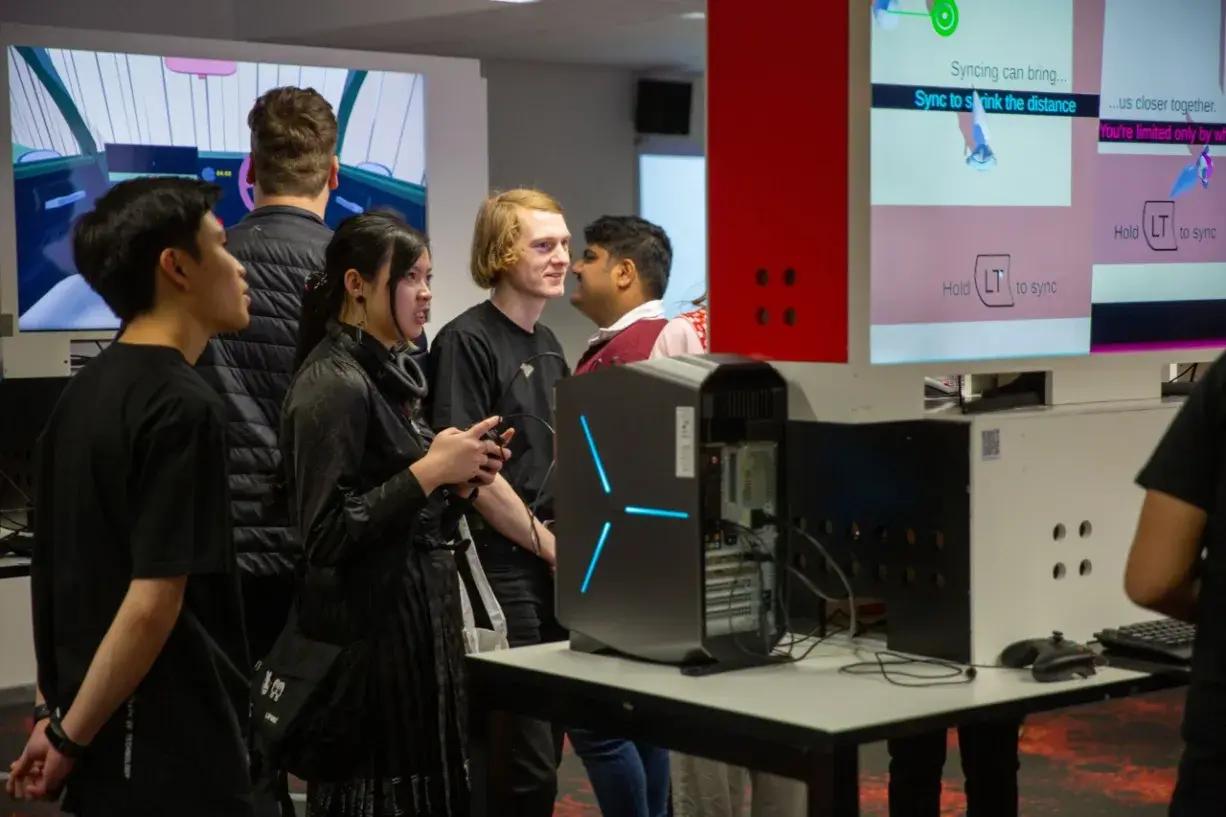
Our first-ever public appearance on 28th July, the positive feedback from non-gamers we received was a welcomed surprise. We identified a lot of usability improvements and onboarding enhancements that was later incorporated into development.
Swinburne End-of-Year ACMI Showcase
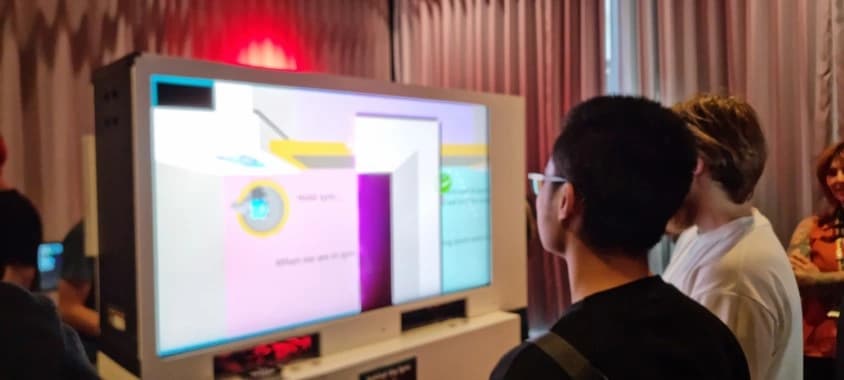
Seeing the project in public one last time at the Swinburne End-of-Year ACMI showcase was bittersweet, in many ways. As this was the culmination of our effort over the year, it was difficult to come to terms with the fact that it's officially over. I learnt a lot over this project, and will always think of it fondly as something special.
What's waiting in store?
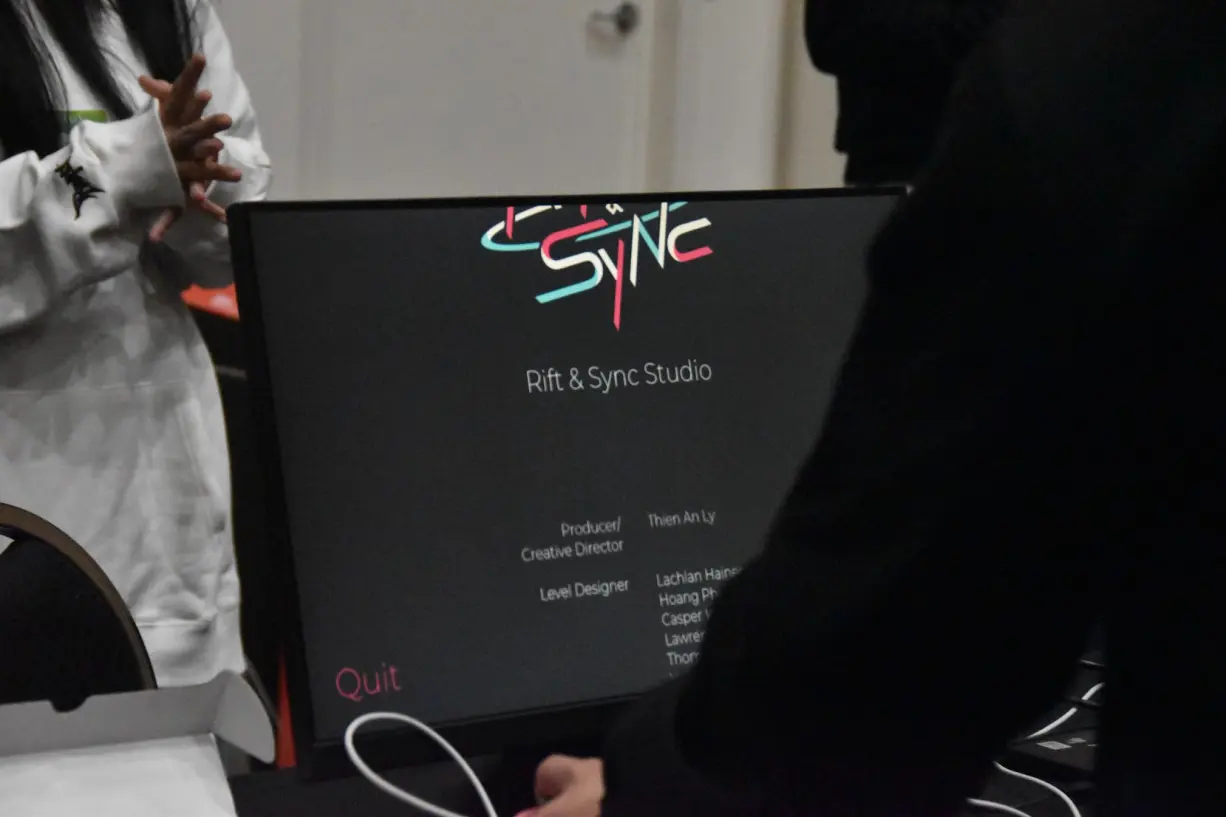
As the saying goes:
The world is my oyster!
Now that university is finally over, it's time for the game to turn to a new chapter. No longer just a student project, any future works will not be constrained by submission deadlines, and will have much more flexibility in terms of budget and scope.
In terms of this blog, I intend to follow up with a couple more in-depth technical dive into what I learned throughout the process. Stay tuned for more updates!
Footnotes
-
A bit unrelated, but I highly recommend checking out Hazelight's less popular release, A Way Out. The camera work during that hospital sequence forever changed how I viewed video games. Masterpiece work of art. 🎥 ↩
-
Learn more about this event. ↩